The Ultimate Guide to the Benefits of Ethical Hacking (and When to Hire a Hacker)
CyberLord Security Team Author profile
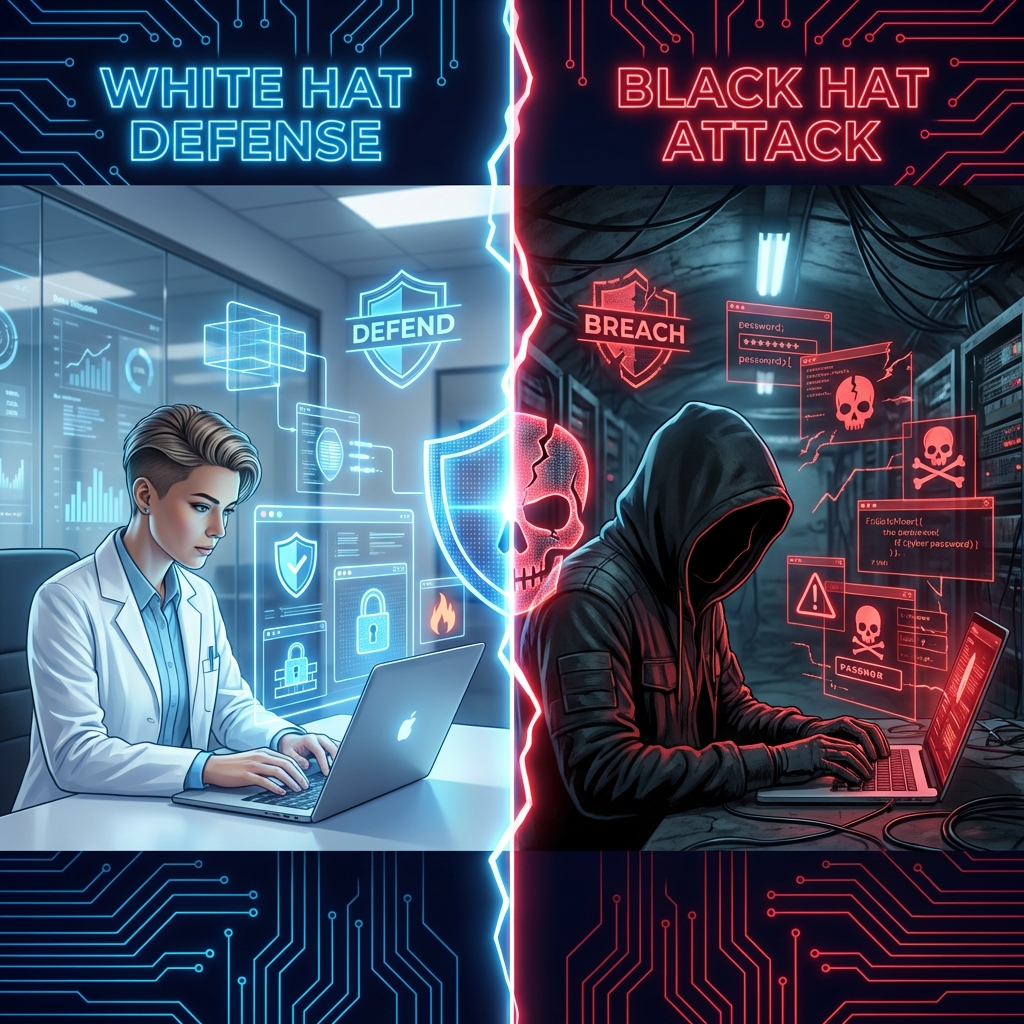
Why does an organization hire hackers to try to infiltrate its systems? Despite the risks involved, an increasing number of organizations have turned to professional ethical hackers to test their vulnerability to cyberattacks.
Provided an organization understands the risks and works with verifiable experts, the benefits of ethical hacking far outweigh any hesitations. Ethical hackers provide expert insight into how an organization can effectively enhance the protection of its networks and systems.
If you are looking for professional hackers for hire, this guide will walk you through the types of hackers, the benefits they bring to your organization, and the steps you need to take to safely find an ethical hacker for hire.
The Hacker Hierarchy: Understanding the 5 Types of Hackers
When considering whether you need to hire a hacker, it's critical to understand that not all hackers are created equal. Hackers are generally classified into five categories based on their intent, authorization, and methods.
1. White-Hat Hackers (Ethical Hackers)
White-hat hackers are cybersecurity professionals who use their technical skills to identify and fix security vulnerabilities with explicit permission from system owners. They operate within legal boundaries to protect organizations. When you "hire ethical hackers," these are the professionals you are looking for. For a deeper dive into how they operate, read our complete guide on White Hat vs. Black Hat Hackers.
2. Black-Hat Hackers
Black-hat hackers exploit computer systems and networks without authorization for personal gain or malice. Their activities are illegal and can result in severe criminal penalties. Engaging with them is extremely dangerous and illegal.
3. Gray-Hat Hackers
Gray-hat hackers occupy a legally questionable space. They may discover vulnerabilities without permission but don't exploit them maliciously. While they often have good intentions, their unauthorized access still violates laws like the Computer Fraud and Abuse Act (CFAA).
4. Script Kiddies
Among the lowest levels of the hacker hierarchy, script kiddies are usually novice individuals who use existing scripts and tools to exploit vulnerabilities, often just to test their capabilities rather than perform targeted attacks for financial gain.
5. Suicide Hackers (Hacktivists)
These hackers are often associated with political or vigilante groups. They assume an anti-establishment stance and execute disruptive security breaches without concern for the personal legal consequences they might face.
The Core Benefits of Ethical Hacking
Hiring a professional ethical hacker provides organizations with a significant competitive advantage. Here are the primary benefits of ethical hacking:
1. Identifying Vulnerabilities Before Criminals Do
The most significant benefit of ethical hacking is proactive defense. An ethical hacker mimics the techniques of a black-hat hacker to find the weak points in your application, network, or physical security. By finding these vulnerabilities first, you have the opportunity to patch them before they are exploited.
2. Regulatory Compliance
Organizations handling sensitive data (like healthcare or financial institutions) are required to maintain strict security standards such as HIPAA, PCI-DSS, or GDPR. Ethical hackers conduct penetration tests that validate these security controls and ensure ongoing compliance, saving organizations from massive regulatory fines.
3. Protecting Your Reputation and Customer Trust
A data breach can destroy an organization's reputation overnight. By proactively employing ethical hackers to harden your systems, you demonstrate to your customers and stakeholders that you take their data privacy seriously.
4. Training and Readiness
Ethical hackers don't just test systems; they test people. Through simulated phishing campaigns and social engineering tests, they evaluate your employees' cyber readiness and help IT departments refine their incident response procedures.
Is Hiring an Ethical Hacker Necessary?
Organizational leaders place a lot of trust and confidence in their IT departments, so why bring in an outside party?
While IT professionals are highly skilled at designing and implementing security measures, hackers possess the ability to think outside the box and bypass those measures. The methods they use may not be on the radar of formally trained IT staff who are focused on network uptime and daily operations.
Hiring ethical hackers provides an independent, adversarial perspective. It is not a test of the IT department's capabilities, but rather an additional, specialized security layer to help build the most robust infrastructure possible.
How to Safely Hire a Professional Hacker
If you have decided that you need a hacker to test your defenses, the next step is vetting and hiring. This process must be handled with extreme care, as you will be granting someone access to your most sensitive systems.
1. Establish Your Goals
Consider the end goals of hiring a hacking service. Are you looking to test web application vulnerabilities, assess employee cyber readiness, or verify the capabilities of your organizational network? Clearly stating these goals will guide the scope of work.
2. Verify Credentials and References
You must thoroughly background-check any hacker you hire. Ensure they hold recognized certifications like CEH (Certified Ethical Hacker) or OSCP (Offensive Security Certified Professional). For a step-by-step process on validating these experts, see our guide on How to Verify Hacker Credentials in 2025.
3. Ask the Right Questions
During the interview process, you need to ask specific questions about their methodology, reporting, and secure data handling. We've compiled the Essential Questions to Ask Before Hiring a Hacker to help you navigate this phase.
4. Understand the Legal Framework
Personnel performing the ethical hacking process are agents of your corporation. You remain responsible for their actions. It is crucial to involve your legal team to draft strict Rules of Engagement (RoE) and Non-Disclosure Agreements (NDAs). To understand your liabilities and stay protected, read Is Hiring a Hacker Legal?.
For a complete overview of the entire hiring process, including red flags to avoid, check out our comprehensive guide on How to Hire a Hacker Safely.
Getting Started with Ethical Hacking
The benefits of ethical hacking are clear: proactive vulnerability discovery, stronger compliance, and enhanced organizational resilience. If you are searching for "professional hackers for hire", "ethical hacker for hire", or "i need a hacker" to secure your business, the key is doing it legally and transparently.
At Cyberlord Secure Services, we provide elite, certified ethical hacking and penetration testing tailored to your organization's specific needs. Protect your digital assets before a malicious actor compromises them.
[Contact our security experts today to schedule an assessment.]
Frequently Asked Questions
Why should a company hire an ethical hacker? Organizations hire ethical hackers to proactively find and fix security vulnerabilities before malicious hackers can exploit them. They provide an independent assessment of an organization's cyber defenses, ensure regulatory compliance, and help train internal IT staff against real-world attack vectors.
What is the difference between an ethical hacker and a penetration tester? While often used interchangeably, penetration testing is a specific methodology focused on finding vulnerabilities in a targeted system within a defined timeframe. Ethical hacking is a broader term that encompasses penetration testing, but also includes other defensive strategies like red teaming, social engineering, and continuous vulnerability assessment.
How do I find a professional ethical hacker for hire? Finding a legitimate professional requires vetting through reputable cybersecurity firms, bug bounty platforms (like HackerOne), or freelance platforms verified by industry certifications (CEH, OSCP, CISSP). Avoid anonymous forums or individuals who refuse to sign NDAs or provide legal documentation.