What Is MDM in Cyber Security? Practical Guide for Security Teams (2026)
Cyberlord Security Team Author profile
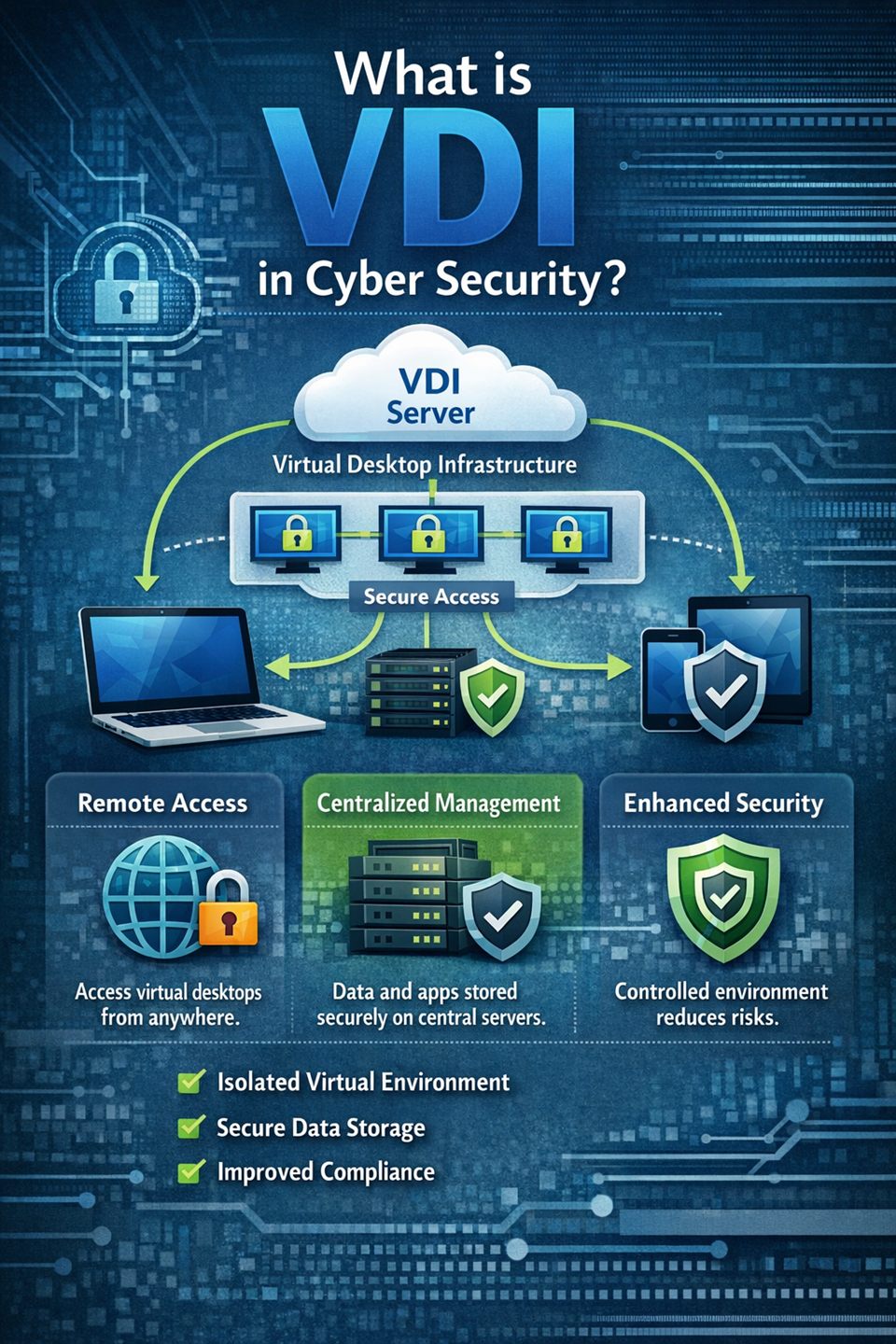
If you are searching what is mdm in cyber security, you are asking a foundational security question that directly affects risk, governance, and incident outcomes.
Many teams buy tools before they define process ownership. That creates inconsistent policy, weak investigations, and slow response during real incidents. This article gives you a practical answer to what is mdm in cyber security, then shows how to turn that understanding into measurable security improvement.
1. what is mdm in cyber security
Short answer: MDM in cyber security is centralized software and policy used to secure smartphones, tablets, and laptops with identity-aware controls and compliance enforcement.
A useful definition must include operating context. In practice, this topic touches identity, policy design, telemetry quality, and response execution. If one of those pillars is missing, your control may look good in a dashboard but fail under pressure.
2. Why this matters for business risk
Security teams are expected to protect operations, not just deploy software. That means every control must map to reduced risk in terms leaders can understand: fewer high-impact incidents, faster containment, and stronger evidence for compliance reviews.
This topic matters because it sits at the intersection of people, process, and technology. It can reduce lateral movement, improve detection confidence, and lower remediation cost when implemented with clear ownership.
3. Core concepts every team should align on
- Clear objective: define the threat scenario and expected defensive outcome
- Ownership map: specify who approves policy, who operates controls, and who validates evidence
- Risk tiers: apply stricter standards to high-impact users, systems, and data flows
- Visibility requirements: verify that logs support detection and investigation
- Review cycle: tune controls monthly based on incidents, tests, and environment changes
Without this shared model, teams interpret terms differently and create gaps that attackers can exploit.
4. Common implementation mistakes
The first mistake is tool-first rollout without governance. Teams deploy quickly, but they do not define exception handling or evidence standards. The second mistake is weak integration between security and IT operations. Controls are present, yet response playbooks are outdated. The third mistake is missing success metrics, so leadership cannot separate activity from real risk reduction.
These errors are preventable. Strong programs define policy intent early, test controls under realistic scenarios, and assign deadlines for corrective actions.
5. Practical implementation checklist
- Document the threat model and business objective for the control.
- Define approval workflow and exception lifecycle with expiry dates.
- Build baseline configuration for standard and high-risk asset tiers.
- Validate logging, alert logic, and escalation ownership before launch.
- Run tabletop and simulation exercises with cross-functional participation.
- Review findings monthly and track closure of high-severity gaps.
This checklist keeps execution practical and reduces the chance of policy drift.
6. Metrics that prove improvement
- Coverage of priority assets and identities under policy
- Time to detect high-risk behavior linked to this control area
- Time to contain or remediate confirmed incidents
- Recurrence rate of similar incidents after control updates
- Reduction in manual investigation effort per incident
Metrics should be reviewed by security and operations together so teams can prioritize fixes that matter most.
7. 30-60-90 day rollout plan
Days 1-30
- Baseline current controls and map top risk gaps
- Align control owners and escalation paths
- Publish initial playbook and evidence standard
Days 31-60
- Deploy improvements for the highest-risk scenarios
- Train analysts and system owners on new workflows
- Validate detection and response during controlled tests
Days 61-90
- Retest against realistic attacker behavior
- Close remaining high-severity findings with deadlines
- Publish a leadership scorecard with trend metrics
8. Trusted references for deeper study
- NIST Cybersecurity Framework: https://www.nist.gov/cyberframework
- CISA Cybersecurity Resources: https://www.cisa.gov/cybersecurity
- MITRE ATT&CK: https://attack.mitre.org/
- Microsoft Security Documentation: https://learn.microsoft.com/security/
FAQs
What is the biggest implementation risk?
Weak ownership and unclear accountability. Tools alone do not create operational resilience.
How quickly can teams see progress?
Most organizations see measurable gains in 30 to 90 days when ownership, metrics, and review cadence are clear.
Is this only for enterprise environments?
No. Small and mid-sized teams can use a lean model and still improve protection and response quality.
What should teams measure first?
Start with coverage of high-risk assets, detection speed, and remediation time for confirmed incidents.
How do we keep controls effective over time?
Run monthly reviews, track exceptions, and validate against realistic attacker techniques.
Conclusion
You now have a practical answer to what is mdm in cyber security plus a framework for implementation. Focus on ownership, measurable outcomes, and continuous tuning, and your program will improve faster than tool-first approaches.
Need help implementing this in your environment? Contact Cyberlord for a practical rollout roadmap.
Practical Reinforcement
Consistent execution, clear ownership, and measurable outcomes are the habits that create long-term security success. Keep your weekly cadence, review metrics monthly, and close high-risk gaps with deadlines.
Practical Reinforcement
Consistent execution, clear ownership, and measurable outcomes are the habits that create long-term security success. Keep your weekly cadence, review metrics monthly, and close high-risk gaps with deadlines.
Practical Reinforcement
Consistent execution, clear ownership, and measurable outcomes are the habits that create long-term security success. Keep your weekly cadence, review metrics monthly, and close high-risk gaps with deadlines.
Practical Reinforcement
Consistent execution, clear ownership, and measurable outcomes are the habits that create long-term security success. Keep your weekly cadence, review metrics monthly, and close high-risk gaps with deadlines.
Practical Reinforcement
Consistent execution, clear ownership, and measurable outcomes are the habits that create long-term security success. Keep your weekly cadence, review metrics monthly, and close high-risk gaps with deadlines.
Practical Reinforcement
Consistent execution, clear ownership, and measurable outcomes are the habits that create long-term security success. Keep your weekly cadence, review metrics monthly, and close high-risk gaps with deadlines.
Practical Reinforcement
Consistent execution, clear ownership, and measurable outcomes are the habits that create long-term security success. Keep your weekly cadence, review metrics monthly, and close high-risk gaps with deadlines.
Practical Reinforcement
Consistent execution, clear ownership, and measurable outcomes are the habits that create long-term security success. Keep your weekly cadence, review metrics monthly, and close high-risk gaps with deadlines.
Practical Reinforcement
Consistent execution, clear ownership, and measurable outcomes are the habits that create long-term security success. Keep your weekly cadence, review metrics monthly, and close high-risk gaps with deadlines.
Practical Reinforcement
Consistent execution, clear ownership, and measurable outcomes are the habits that create long-term security success. Keep your weekly cadence, review metrics monthly, and close high-risk gaps with deadlines.