AI型フィッシングから組織を守る方法
David Plaha 著者プロフィール
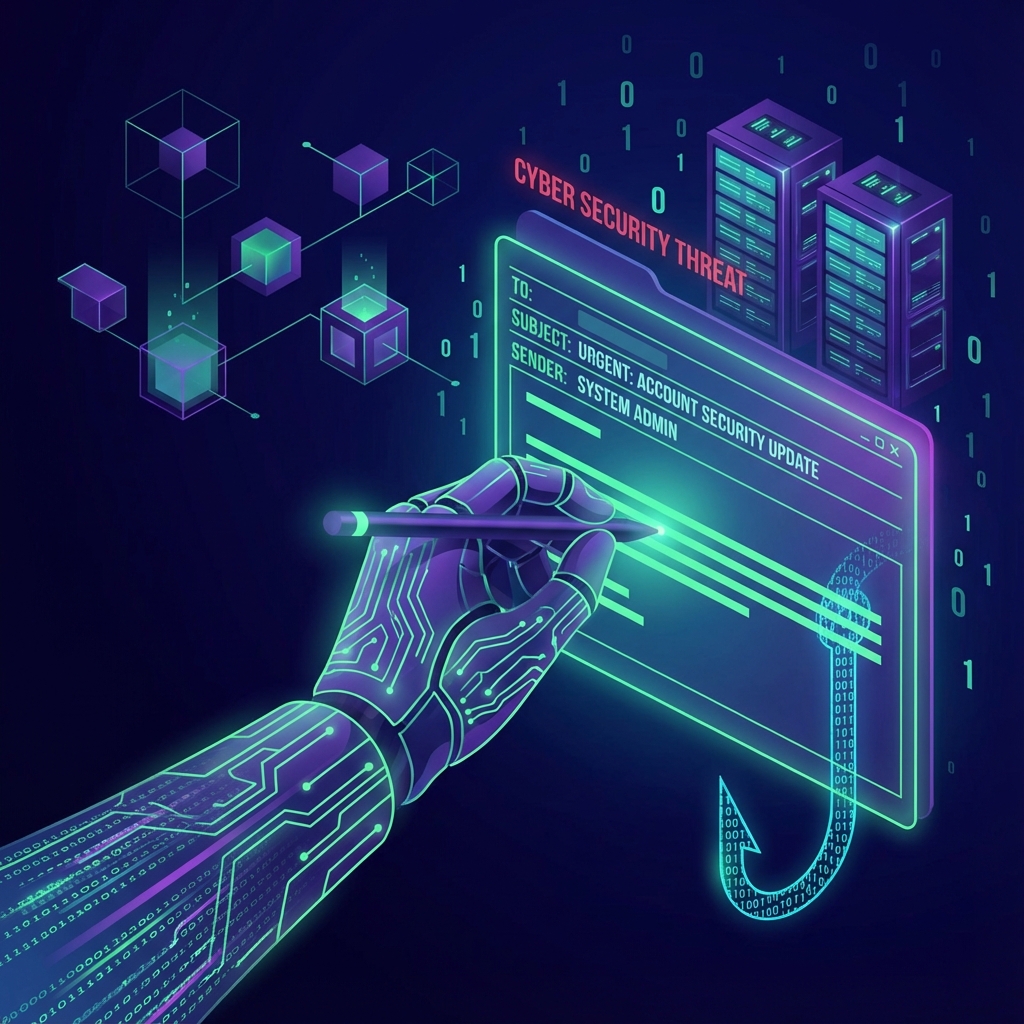
AI 型フィッシングの組織的対策
AI 型のフィッシング攻撃は文面の品質が高く、判別が困難です。組織的対策として、(1) DMARC、SPF、DKIM の厳格化、(2) ブラウザ分離、(3) FIDO2 キー、(4) 訓練とシミュレーションの継続実施の四つを組み合わせます。技術単独では防げないため、報告文化の醸成も重要です。
AI型フィッシングは、従来の「日本語が不自然な迷惑メール」とは別物です。生成AIにより、攻撃者は自然な文章、相手に合わせた口調、実在する業務文脈、偽のログイン画面、チャット対応まで組み合わせられるようになりました。メールだけでなく、SMS、Teams、Slack、LinkedIn、音声、ディープフェイク動画が一つの攻撃シナリオに組み込まれます。
この記事は、防御、教育、インシデント対応のための一般情報です。第三者のアカウントや端末へ無断でアクセスする行為を助長するものではありません。調査や証拠保全を行う場合は、対象範囲、所有者の同意、社内規程、法令遵守を確認してください。
AIでフィッシングは何が変わったのか
以前のフィッシングは、大量送信された同じ文面、怪しいURL、不自然な翻訳が手がかりになりました。現在は、攻撃者が公開情報を集め、相手の役職、最近の発表、取引先、採用情報、SNS投稿に合わせて文面を作れます。文法の誤りは減り、メールの署名や社内用語まで自然に見えることがあります。
また、攻撃は一通のメールで終わりません。最初は無害に見える問い合わせを送り、返信した相手にだけ偽の資料、請求書、会議リンク、認証ページを送るケースがあります。AIチャットボットが相手の反応に合わせて会話を続け、疑問に答えながら認証情報や送金へ誘導することもあります。
代表的な攻撃パターン
取引先を装う請求書・支払い変更
攻撃者は、実在する取引先名、担当者名、案件名を使い、請求書や口座変更依頼を送ります。文章が自然で、過去のやり取りに似せている場合もあります。経理担当者が急ぎの支払いとして処理すると、資金が攻撃者の口座へ流れます。
Microsoft 365やGoogle Workspaceの偽ログイン
「共有ファイルを確認してください」「パスワード期限が近づいています」といった文面で、偽のログインページへ誘導します。MFAを導入していても、リアルタイム中継型のフィッシングでは認証コードやセッションが狙われることがあります。
採用・営業・問い合わせを装う攻撃
採用担当者や営業担当者は、外部からの添付ファイルやリンクを開く機会が多いため狙われます。AIは自然な応募文、ポートフォリオ、提案書、質問文を作れるため、単純な文章チェックでは見抜けません。
役員なりすましと緊急依頼
役員や上司の文体をまねて、送金、ギフトカード購入、機密資料の共有を求めます。メールだけでなく、音声クローンやチャットを組み合わせると説得力が増します。特に出張中、決算期、週末、買収や採用など秘密性の高い業務を装うケースに注意が必要です。
見抜くためのチェックポイント
AI時代のフィッシング対策では、「文章が自然だから安全」と考えないことが大切です。次のような確認を標準化してください。
- 送信元ドメインが本当に正しいか
- 表示名ではなくメールアドレス全体を確認したか
- リンク先のドメインが公式か
- 口座変更、送金、認証情報入力など高リスク行動を求めていないか
- 通常と違う緊急性や秘密保持を強調していないか
- 添付ファイルを開く前に送信者へ別チャネルで確認したか
- ログインページのURL、証明書、SSOの流れに違和感がないか
個人の注意力だけに頼ると限界があります。チェックリストを経理、採用、営業、ヘルプデスクの業務フローに組み込む必要があります。
技術的に優先すべき防御策
MFAと条件付きアクセス
MFAは必須ですが、万能ではありません。可能であれば、フィッシング耐性の高い認証方式、デバイス準拠チェック、場所やリスクに応じた条件付きアクセスを使います。異常な国、未知の端末、短時間の不自然なログインを検知できるようにします。
メール認証とドメイン保護
SPF、DKIM、DMARCを整備し、なりすましメールを減らします。DMARCは監視モードから始めてもよいですが、状況を確認しながら段階的に強化します。似たドメインの取得、ブランドなりすまし、偽ログインページの監視も有効です。
URL・添付ファイルの検査
メールセキュリティゲートウェイ、ブラウザ保護、EDR、サンドボックスを組み合わせます。ただし、攻撃者は新しいURLを短時間だけ使うことがあります。技術検査をすり抜ける前提で、送金や認証情報入力には別の承認手順を設けます。
ログ監視とアラート
フィッシング後に重要なのは、認証情報が使われた兆候を早く見つけることです。新しい国からのログイン、MFA設定変更、転送ルール作成、OAuthアプリ承認、メール大量削除、管理者権限の変更を監視します。
部門別の運用ルール
経理部門では、口座変更と高額送金を電話やメールだけで承認しないルールが必要です。登録済み連絡先への折り返し、二人承認、一定金額以上の追加確認を徹底します。
採用部門では、応募者からのファイルを安全に扱う手順を決めます。履歴書やポートフォリオは、隔離された環境やクラウドビューアで確認し、不審なマクロや実行ファイルを開かないようにします。
ヘルプデスクでは、MFAリセットやパスワード再発行を急がせる依頼に注意します。本人確認は声やメールだけでなく、登録済み情報、管理者承認、チケット履歴と照合します。
被害が疑われる場合の初動
フィッシングリンクを開いた、認証情報を入力した、送金してしまった可能性がある場合は、まず証拠を消さないでください。メール、URL、時刻、送信元、画面、添付ファイル名、入力した情報、発生後の通知を保存します。
次に、該当アカウントのパスワード変更、セッション無効化、MFA再登録、転送ルール確認、OAuthアプリ確認を行います。企業の場合は、影響範囲を確認し、同じメールを受け取った従業員がいないか検索します。送金が関係する場合は、金融機関へすぐ連絡します。
教育で伝えるべきこと
従業員教育では、「誤字脱字を探しましょう」だけでは足りません。AIにより、文章の自然さは判断材料として弱くなりました。代わりに、業務フローの中で止まるべき場面を教えます。
- 認証情報を入力する前にURLを見る
- 送金や口座変更は別チャネルで確認する
- 緊急・秘密・例外処理を求められたら相談する
- 添付ファイルを開く前に送信者と文脈を確認する
- 不審メールを責めずに報告できる文化を作る
ミスを罰するだけでは報告が遅れます。早く報告すれば被害を小さくできる、という前提を組織に浸透させることが重要です。
よくある質問
AI生成メールは見た目で判別できますか。
判別できることもありますが、信頼できる方法ではありません。自然な日本語でも攻撃の可能性があります。送信元、URL、依頼内容、承認手順で判断してください。
MFAがあれば安全ですか。
MFAは重要ですが、リアルタイム中継型フィッシングやセッション窃取に対しては追加対策が必要です。条件付きアクセス、フィッシング耐性の高い認証、ログ監視を組み合わせます。
不審メールを受け取ったら何を保存すべきですか。
メール本文、ヘッダー、URL、添付ファイル名、受信時刻、クリック有無、入力した情報、関連する通知を保存します。スクリーンショットだけでなく、可能なら元メールも残します。
小規模企業でも対策できますか。
できます。まずMFA、メール認証、送金前確認、管理者権限の見直し、不審メール報告先の明確化から始めると効果が出やすいです。
まとめ
AI型フィッシングは、文章の不自然さを探す時代から、業務手順で止める時代へ変わっています。自然なメール、本人らしい口調、実在する文脈があっても、送金、認証情報入力、MFAリセット、機密資料共有には必ず確認手順を挟むべきです。
不審なメールやアカウント侵害の兆候がある場合は、証拠を保存し、影響範囲を整理したうえで/ja/contactから相談できます。関連するセキュリティ診断やインシデント対応は/ja/servicesで確認できます。