Как найти скрытые криптоактивы при разводе (юридический гид 2026)
CyberLord Forensic Team Профиль автора
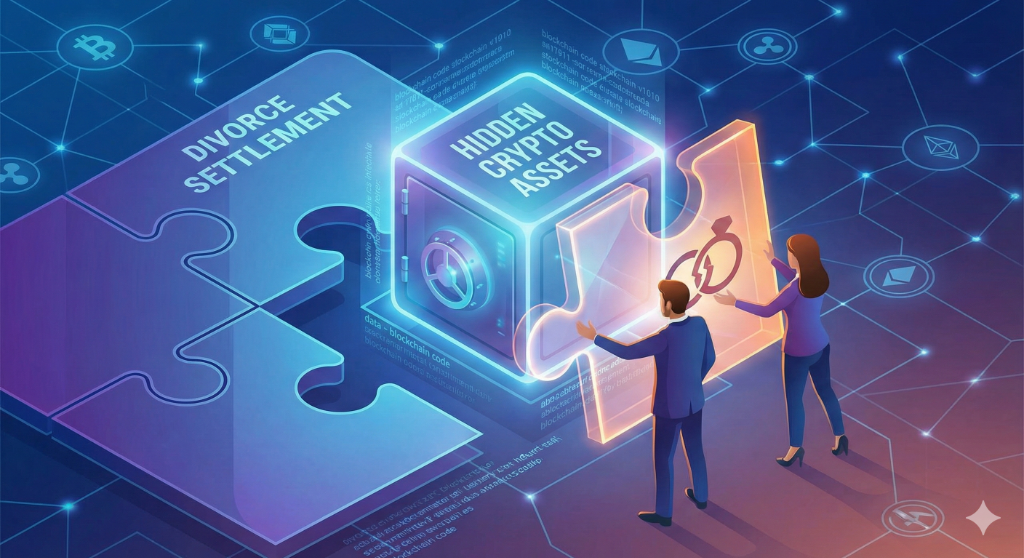
Десять лет назад для сокрытия активов супруга означало положить наличные в сейф или открыть оффшорный банковский счет на Каймановых островах. В 2026 году это означает покупку биткойнов, перевод их на холодный кошелек и заявление в суд: «Я потерял пароль».
Криптовалюта стала средством №1 для сокрытия семейного имущества в современных бракоразводных процессах. Анонимность блокчейна делает его идеальным укрытием для супруга, который хочет занизить свой собственный капитал и обманом лишить вас справедливой доли.
Если вы подозреваете, что ваш муж или жена скрывают богатство в криптовалюте, вы, вероятно, правы. И если ваш адвокат говорит вам, что «его невозможно отследить», он ошибается.
Я судебный аналитик блокчейна. Моя работа — следить за деньгами там, где никто другой не может. В этом руководстве я подробно объясню, как мы находим скрытые криптоактивы при разводе, доказывая, что, хотя блокчейн анонимен, он также эффективно прозрачен — если вы знаете, где искать. Эти же методы отслеживания используются в наших расследованиях мошенничества с забоем свиней.
Миф о «неотслеживаемости»
Большинство людей думают, что Биткойн невидим. На самом деле это самый публичный реестр в истории человечества. Каждая транзакция записывается навсегда.
Когда супруг пытается скрыть имущество, он обычно совершает критическую ошибку: На съезде. Вы не можете купить Биткойн с помощью воздуха. Вы покупаете его за фиатную валюту (доллары США, евро) с банковского счета. Этот первоначальный перевод — с совместного текущего счета на Coinbase, Binance или Kraken — является «дымящимся пистолетом», который позволяет нам распутать всю паутину скрытых средств.
Шаг 1: Бумажный след (на что обратить внимание)
Прежде чем мы даже коснемся блокчейна, мы проверяем традиционные финансы. Мы ищем «цифровую пыль», оставленную криптовалютной деятельностью.
1. Аномалии банковских выписок
Мы сканируем банковские выписки за 24 месяца на предмет:
- Переводы на биржи: Очевидные названия, такие как Coinbase, Crypto.com, Gemini или Kraken.
- Платежи P2P: Случайные переводы незнакомцам через Zelle или PayPal (часто используются для покупки криптовалюты на одноранговых рынках, таких как HodlHodl).
- Микродепозиты: небольшие суммы (например, 0,32 доллара США), используемые для проверки новой банковской ссылки на биржу.
2. Утечка «Налоговой декларации»
В США IRS требует, чтобы налогоплательщики ставили галочку в поле с вопросом, торговали ли они цифровыми активами.
- Если ваш супруг отметил «Да», но раскрыл активы на сумму 0 долларов США, это является лжесвидетельством.
- Если поставили галочку «Нет», а мы находим обменные переводы, это тоже лжесвидетельство. И то, и другое дает вашему адвокату огромные рычаги влияния в переговорах по урегулированию спора.
3. Обнаружение устройства
На этапе обнаружения мы на законных основаниях запрашиваем доступ к их телефону или ноутбуку. Мы ищем:
- Приложения 2FA: Google Authenticator или Authy (используется почти исключительно для защиты криптографических учетных записей).
- Приложения для кошельков: MetaMask, Trust Wallet, Ledger Live.
- История браузера: Посещения CoinGecko, Etherscan или неизвестных платформ DeFi.
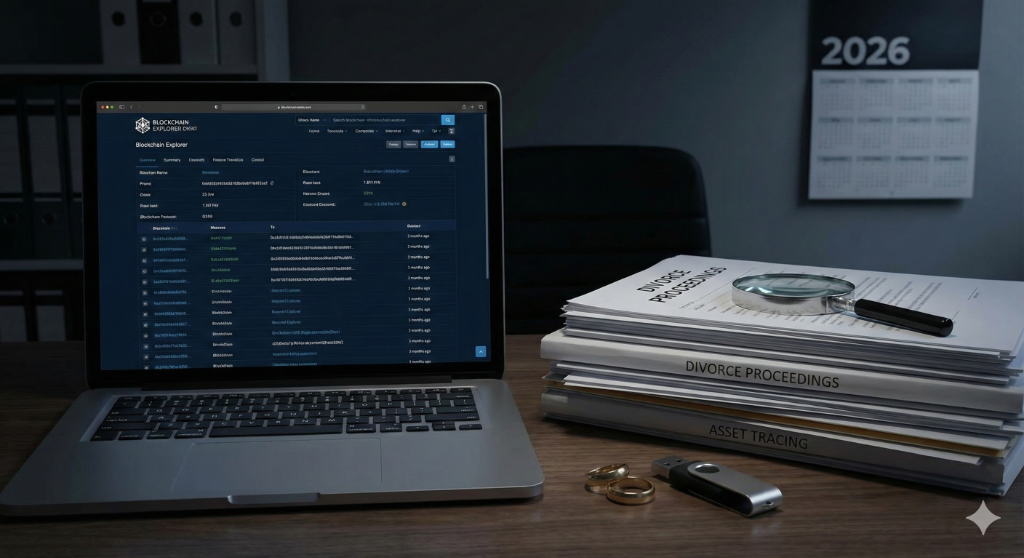
Шаг 2: Экспертиза блокчейна (по следу)
Как только мы идентифицируем первоначальную транзакцию «на рампе» (например, 50 000 долларов США, отправленные на Coinbase), начинается настоящая охота.
Даже если ваш супруг перевел эти деньги с биржи на «частный» аппаратный кошелек, мы можем это отследить.
- Отметка кошелька: Мы определяем адрес вывода средств.
- Кластерный анализ. Мы отслеживаем, куда с этого адреса отправляются деньги. Они купили NFT? Они обменяли его на Monero (монету конфиденциальности)? Они отправили его в «Миксер», чтобы попытаться отмыть?
- Деанонимизация. В конце концов они допустят ошибку. Они могут заплатить за номер в отеле, отправить подарок другу или перевести небольшую сумму обратно на биржу KYC (Знай своего клиента) для вывода средств.
Как только мы свяжем «анонимный» кошелек с его реальной личностью, игра закончится. Мы создаем Отчет судебно-медицинской экспертизы, в котором отражен каждый спрятанный доллар, готовый к представлению в суде.
Шаг 3: Защита от «потерянного ключа»
Распространенная тактика в 2026 году — супруг признает, что владеет криптовалютой, но заявляет: * «Я потерял закрытый ключ. Деньги пропали навсегда». *
Это современная версия «собака съела мою домашнюю работу». Не принимайте это.
Как мы этому противодействуем:
- Мониторинг активности: Мы устанавливаем «Сторожевые вышки» на их кошельки. Если «потерянные» средства сместятся хотя бы на дюйм, мы сразу узнаем об этом. Мы поймали супругов, которые переводили «потерянные» средства через несколько недель после завершения развода.
- Повестки в суд: Мы вызываем в суд участников обмена для получения журналов входа. Если они вошли в свою учетную запись после заявления о потере ключей, их ложь будет раскрыта.
- Аппаратная экспертиза. Если мы физически завладеем их ноутбуком или аппаратным кошельком (Ledger/Trezor), мы часто можем обнаружить исходные фразы, хранящиеся во временных файлах, менеджерах паролей или даже фотографиях резервной карты.
🔍 Не позволяйте им скрыть ваши миллионы
Если вы договоритесь сейчас, вы уйдете с гроши. Наша судебно-медицинская экспертиза раскрывает правду. Мы находим активы или доказываем суду, что они лгут.
Запросить судебно-медицинскую экспертизу активов (2500 долларов США)Типы активов, которые они скрывают (это не только биткойны)
В 2026 году речь пойдет не только о Биткойне. Супруги скрывают богатство в сложных протоколах DeFi:
- Стейблкоины (USDT/USDC): цифровые доллары, хранящиеся в кошельках, которые приносят проценты, но не отображаются в банковских выписках.
- NFT: Покупка цифрового изображения в формате JPEG за 500 000 долларов – это отличный способ мгновенно вывести огромную сумму с банковского счета.
- Стейкинг DeFi: блокировка средств в «смарт-контракте» для получения дохода. Эти средства фактически исчезают с баланса основного кошелька, но их можно вернуть в любое время.
Наша команда киберлордов специализируется на таких сложных укрытиях «уровня 2», которые упускают из виду обычные следователи.
Вывод: правда в блокчейне
Развод – это эмоционально. Финансовое мошенничество носит математический характер.
Если ваш супруг разбирается в технологиях, а вы нет, он рассчитывает на ваше невежество. Они верят, что могут ослепить вас (и вашего адвоката) техническим жаргоном и спрятать миллионы на виду.
Но блокчейн никогда не забывает. Каждая транзакция представляет собой цифровой отпечаток пальца, который невозможно стереть.
Не подписывайте мировое соглашение, пока не будете на 100% уверены, что у вас есть полная картина. Если у вас есть интуитивное ощущение, что денег не хватает, доверьтесь этому.
Позвольте нам найти то, что принадлежит вам.
Начните судебно-медицинское расследование
Часто задаваемые вопросы (FAQ)
1. Противозаконно ли скрывать криптовалюту при разводе?
Да. Это мошенничество и лжесвидетельство. Когда вы подаете на развод, по закону вы обязаны раскрыть все активы. Намеренное сокрытие криптовалюты может привести к тому, что судья присудит 100% скрытых активов другому супругу в качестве штрафа или даже тюремного заключения за неуважение к суду.
2. Сможете ли вы найти криптовалюту, если использовали «Миксер» или «Тамблер»?
Да, но это сложнее. Миксеры (например, Tornado Cash) пытаются скрыть следы, смешивая средства с другими. Однако современные криминалистические инструменты (Chainaанализ, TRM Labs) часто могут «разделить» эти транзакции или отследить средства, когда они неизбежно выходят из микшера в чистый кошелек. Это оставляет очень подозрительное пятно, которое судьи плохо видят.
3. Сколько стоит криптоаудит?
Базовая трассировка начинается примерно с 2500 долларов. В сложных случаях, связанных с DeFi, NFT и сотнями транзакций, затраты могут варьироваться от 5000 до 15 000 долларов США. Однако, учитывая, что мы часто обнаруживаем активы, стоимость которых в 10–100 раз превышает стоимость аудита, для клиента это почти всегда высокорентабельная инвестиция.
Обзор руководства по разводу в 2026 году по поиску скрытых криптоактивов
Ключевые решения, риски и действия по реализации руководства по поиску скрытых криптоактивов при разводе на 2026 год.