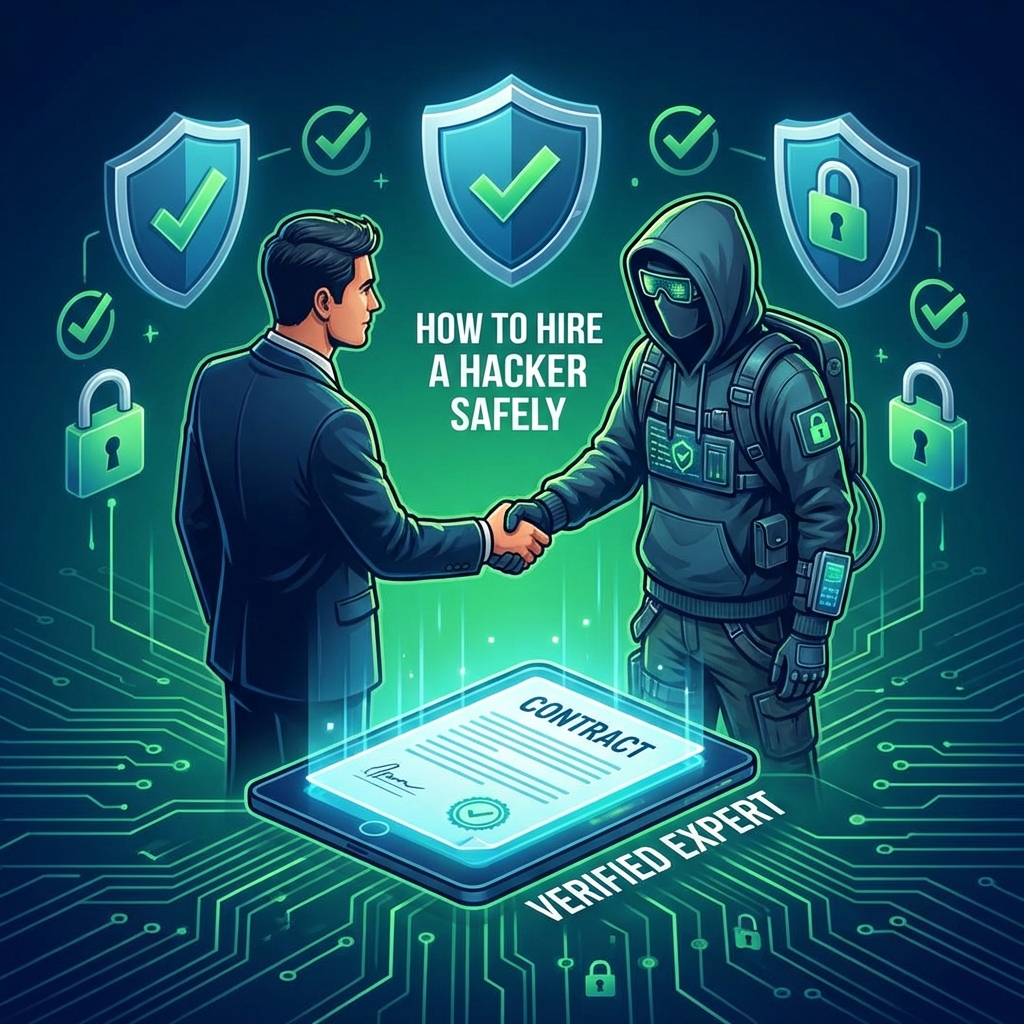
How to Hire a Hacker Safely Without Getting Scammed (2025 Guide)
CyberLord Security Team

The cybersecurity threat environment has never been more dangerous. With data breaches costing companies an average of $4.45 million in 2023, businesses are scrambling to identify vulnerabilities before malicious actors exploit them. But here's the problem: when you search for ways to hire a hacker safely, you're met with a minefield of scammers. Many offers to hire a hacker on the dark web are guaranteed traps designed to steal your money.
This guide cuts through the noise. Whether you need penetration testing, vulnerability assessments, or comprehensive security audits, you'll learn exactly how to find legitimate ethical hackers, avoid costly scams, and protect your organization in 2025.

Understanding Ethical Hacking Services
Before you hire a hacker safely, you need to understand what legitimate services look like. Ethical hackers, also known as white hat hackers or penetration testers, are cybersecurity professionals who use their skills to identify system vulnerabilities with explicit permission.
What Ethical Hackers Actually Do
Legitimate ethical hacking services include:
- Penetration Testing: Simulating real-world cyberattacks to find exploitable weaknesses in your systems, networks, and applications
- Vulnerability Assessments: Comprehensive scans identifying security gaps across your digital infrastructure
- Security Audits: Reviewing configurations, policies, and compliance with industry standards like PCI-DSS, HIPAA, or ISO 27001
- Social Engineering Testing: Assessing human vulnerabilities through simulated phishing campaigns
- Red Team Operations: Advanced adversarial simulations testing your organization's people, processes, and technology
The global penetration testing market reached $2.45 billion in 2024 and is projected to hit $6.35 billion by 2032, reflecting the growing demand for these critical services.
Understanding the difference between white hat and black hat hackers is crucial before engaging any services.
Red Flags: How Scammers Operate
Understanding scam tactics is essential when you hire a hacker safely. Here are the warning signs:
Common Scam Indicators
- Guaranteed Results: No legitimate professional promises to "hack any account" or guarantee specific outcomes
- Upfront Payment Demands: Scammers often request full payment via untraceable methods like cryptocurrency or gift cards
- No Verifiable Credentials: Legitimate ethical hackers hold certifications like CEH, OSCP, CISSP, or CISM. Always verify hacker credentials before engaging.
- Lack of Written Agreements: Professional services always provide detailed contracts outlining scope, methodology, and deliverables
- Anonymous Communication: Refusal to video call, provide business registration, or share verifiable contact information
- Illegal Service Offerings: Any hacker offering to steal data, access accounts without permission, or engage in illegal activities

Remember: hiring someone for unauthorized access is illegal under laws like the Computer Fraud and Abuse Act (CFAA) in the U.S. and can result in criminal charges for both parties. Learn more about the legal aspects of hiring hackers.
Where to Find Legitimate Ethical Hackers
When you hire a hacker safely, choosing the right platform makes all the difference. For a complete list of vetted platforms, read our guide on where to hire ethical hackers. Here are trusted sources:
Reputable Cybersecurity Firms
Established companies offer comprehensive services with accountability:
- Redscan, CyberSecOp, UnderDefense: Full-service penetration testing and security assessments
- NetSPI, Raxis, Astra Security: Specialized in application and network security
- BreachLock, Synack: Continuous penetration testing platforms
Vetted Freelance Platforms
For smaller projects, these platforms connect you with pre-screened professionals:
- HackerOne and Bugcrowd: Bug bounty platforms with verified ethical hackers
- Upwork and Toptal: Freelance marketplaces with rating systems and escrow protection
- Arc.Dev and Genius: Platforms specializing in vetted cybersecurity talent
Industry Certifications to Look For
When evaluating candidates, prioritize these credentials:
- CEH (Certified Ethical Hacker): Foundational ethical hacking certification
- OSCP (Offensive Security Certified Professional): Hands-on penetration testing expertise
- CISSP (Certified Information Systems Security Professional): Comprehensive security knowledge
- CREST Certified: Recognized standard for penetration testing professionals
The Vetting Process: 7 Steps to Hire a Hacker Safely
Follow this systematic approach (and use our checklist of questions to ask when hiring a hacker) to ensure you're working with legitimate professionals:
Step 1: Define Your Scope Clearly
Before contacting anyone, document:
- Which systems need testing (web apps, networks, cloud infrastructure, APIs)
- Your compliance requirements (PCI-DSS, HIPAA, SOC 2)
- Testing methodology preferences (black box, white box, gray box)
- Timeline and budget constraints
Step 2: Verify Credentials Thoroughly
Don't take certifications at face value:
- Request certification numbers and verify them with issuing organizations
- Check LinkedIn profiles for work history and recommendations
- Review their GitHub contributions, security blog posts, or CVE disclosures
- Ask for case studies or sanitized reports from previous engagements

Step 3: Conduct Video Interviews
Schedule face-to-face calls to:
- Assess communication skills and professionalism
- Discuss their methodology and approach
- Gauge their understanding of your specific industry
- Verify they're a real person, not a scammer
Step 4: Request Detailed Proposals
Legitimate professionals provide comprehensive proposals including:
- Specific testing methodologies and tools
- Timeline with milestones
- Detailed pricing breakdown
- Sample report format
- Remediation support offerings
Step 5: Insist on Written Contracts
Never proceed without a formal agreement covering:
- Precise scope of work
- Explicit authorization and legal permissions
- Confidentiality and non-disclosure terms
- Data handling and destruction protocols
- Liability and insurance provisions
- Payment terms with milestone-based structure
Step 6: Start with Limited Scope
For first-time engagements:
- Begin with a smaller, defined project
- Use escrow services for payment protection
- Evaluate their work quality and professionalism
- Expand scope only after successful completion
Step 7: Review Deliverables Carefully
Quality reports should include:
- Executive summary for non-technical stakeholders
- Detailed vulnerability descriptions with severity ratings
- Proof-of-concept demonstrations
- Clear remediation recommendations
- Retest offerings to verify fixes
Pricing: What to Expect in 2025
Understanding market rates helps you hire a hacker safely and avoid unrealistic offers. For a deep dive into pricing, see our 2025 hacker cost guide.
Typical Cost Ranges
- Web Application Penetration Testing: $5,000 - $25,000
- Network Penetration Testing: $8,000 - $50,000
- Cloud Security Assessment: $10,000 - $40,000
- Mobile App Testing: $5,000 - $25,000
- Comprehensive Red Team Exercise: $50,000 - $150,000+
Hourly Rates by Experience
- Junior Ethical Hackers: $50 - $150/hour
- Experienced Professionals: $200 - $500/hour
- Specialized Firms: $250 - $1,000/hour
Beware of prices significantly below market rates—they often indicate automated scanning tools rather than manual testing, or worse, scams.

Legal Considerations
When you hire a hacker safely, legal compliance is non-negotiable. Before engaging any services, make sure you understand whether hiring a hacker is legal and reviewing the full legal requirements in your jurisdiction.
Essential Legal Requirements
- Written Authorization: Document explicit permission for all testing activities
- Scope Limitations: Clearly define which systems can and cannot be tested
- Compliance Adherence: Ensure testing aligns with GDPR, CCPA, or other applicable regulations
- Insurance Verification: Confirm the hacker carries professional liability insurance
- Data Protection: Establish protocols for handling sensitive information discovered during testing
Laws Governing Ethical Hacking
- United States: Computer Fraud and Abuse Act (CFAA), state-specific cybersecurity laws
- European Union: GDPR, Digital Operational Resilience Act (DORA)
- United Kingdom: Computer Misuse Act 1990
Unauthorized access, even with good intentions, is illegal and can result in criminal prosecution.
Post-Engagement Best Practices
After testing concludes:
- Review Findings Thoroughly: Schedule a debrief session to understand all vulnerabilities
- Prioritize Remediation: Address critical and high-severity issues immediately
- Request Retesting: Verify fixes are effective through follow-up assessments
- Document Everything: Maintain records for compliance audits
- Plan Ongoing Testing: Cybersecurity is continuous—schedule regular assessments
Building Long-Term Security Partnerships
The best approach to hire a hacker safely is establishing ongoing relationships:
- Continuous Penetration Testing: Regular assessments catch new vulnerabilities as your systems evolve
- Managed Security Services: 24/7 monitoring and threat detection ($2,000 - $5,000/month for 50-100 users)
- Security Training: Many ethical hackers offer employee awareness programs
- Incident Response Planning: Prepare for potential breaches with expert guidance

Regional Services: Hire a Hacker Safely by Location
Need local ethical hackers? Here's what to know for your region:
🇺🇸 United States
Cyberlord and other reputable firms serve all 50 US states with CFAA-compliant testing. Industry-specific compliance includes HIPAA (healthcare), SOX (finance), and CCPA (California privacy). Same business day response available.
🇬🇧 United Kingdom
UK services adhere to GDPR, Computer Misuse Act 1990, and FCA/ICO requirements. Our UK-based testers understand NHS security standards and financial services regulations.
🇨🇦 Canada
Canadian penetration testing follows PIPEDA and provincial privacy laws. We understand OSFI cybersecurity requirements for financial institutions operating in Canada.
🇦🇺 Australia
Services aligned with Australian Privacy Act, APRA CPS 234, and Essential Eight security controls. Testing available within AEST business hours.
🇪🇺 European Union
Full GDPR compliance across all EU member states with understanding of NIS2 Directive and country-specific requirements.
🌍 Other Regions
For Asia-Pacific, Middle East, Latin America, and other regions, contact us to discuss your specific compliance requirements.
Frequently Asked Questions
How do I verify an ethical hacker's credentials?
Ask for certification IDs (CEH/OSCP/CREST), verify with issuers, and request a redacted sample report. Confirm business registration and insured coverage.
What should be in the scope and authorization letter?
Systems/assets in scope, testing windows, data handling rules, reporting format, retest terms, and explicit authorization signed by the asset owner.
How much should I budget?
Expect $8k–$25k for a web app pen test, $10k–$40k for internal/external network, and $50k+ for red team. Avoid "too cheap to be true" offers.
Is account recovery or "hack my ex" legal?
No. Anything without the asset owner's consent is illegal. Only authorized testing with written permission is compliant.
How often should I retest?
At least annually for most orgs; quarterly for high-risk sectors or after major releases/infrastructure changes.
Trusted ways to engage (and avoid scams)
- Book a scoped engagement with a contract: Start with a contained scope, milestone billing, and NDA.
- Use vetted providers: Prefer established firms or vetted platforms; avoid anonymous marketplaces.
- Insist on reporting standards: Require CVSS scoring, business impact, and remediation steps; include a retest.
- Route work through a secure channel: No ad-hoc crypto payments; use invoicing/escrow with identity verification.
Conclusion
Learning how to hire a hacker safely is critical for protecting your organization in 2025's threat environment. By focusing on legitimate ethical hacking services, thoroughly vetting credentials, insisting on proper contracts, and understanding fair market pricing, you can avoid scams while strengthening your cybersecurity posture.
Remember: legitimate ethical hackers are cybersecurity professionals who operate transparently, hold verifiable certifications, and always work within legal boundaries. Understanding the difference between white hat and black hat hackers is essential to making the right choice.
Ready to secure your systems? Contact Cyberlord Secure Services for professional penetration testing and vulnerability assessments from certified ethical hackers. Our transparent process, competitive pricing, and proven track record make us the trusted choice for businesses serious about cybersecurity.
The most respected certifications include CEH (Certified Ethical Hacker), OSCP (Offensive Security Certified Professional), CISSP (Certified Information Systems Security Professional), and CREST certifications. Always verify certification numbers directly with issuing organizations, and look for professionals with hands-on experience demonstrated through portfolios, GitHub contributions, or published security research.
hire hacker safely 2025 guide overview
Key decisions, risks, and implementation actions for hire hacker safely 2025 guide.